
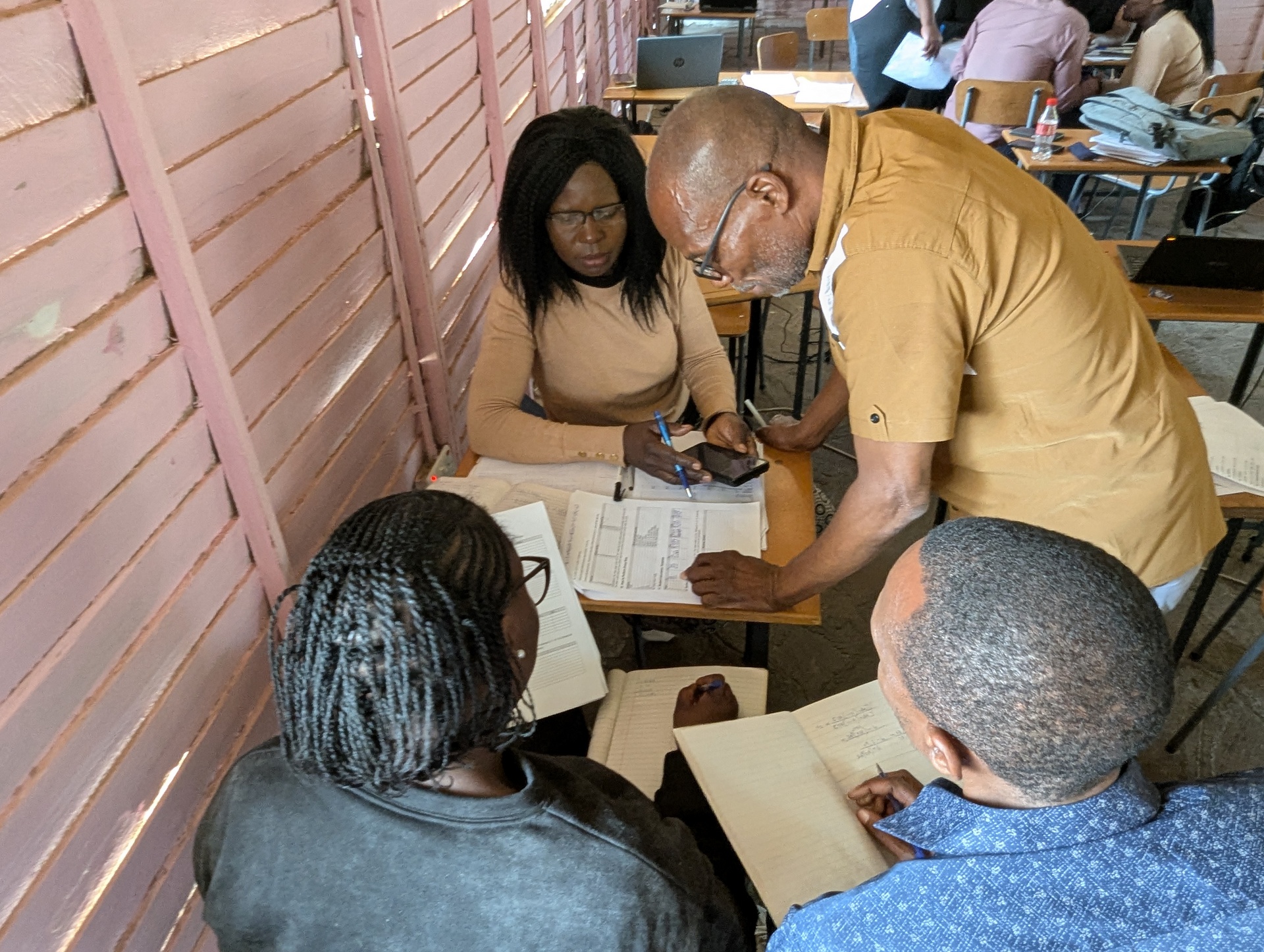
The corridors and lecture rooms at the Institute of Water and Sanitation Development (IWSD) are once again buzzing with activity as physical, face-to-face classes officially open for a range of technical, vocational, and professional programs. This return to physical learning marks a crucial milestone in strengthening capacity across the water, sanitation, and environmental management sectors. With climate resilience and infrastructure demands at an all-time high, returning to immersive, hands-on learning ensures that trainees and professionals receive the practical exposure necessary to solve real-world challenges.
Programs Currently Underway
Students, technical practitioners, and municipal personnel have resumed on-site learning across several key qualification pathways:
- HEXCO-Accredited Technical & Vocational Diplomas:
- National Certificate in Water and Sanitation Management: Equipping entry-level technicians with fundamental knowledge in water processing, sanitation tech, and hygiene principles.
- National Diploma (ND) & Higher National Diploma (HND): Advanced technical tracks focusing on integrated water resources management (IWRM), wastewater management, and environmental sustainability for prospective senior technicians and plant supervisors.
- Post-Graduate & Professional Diplomas:
- Specialized post-graduate tracks in Sanitation & Wastewater Management and Monitoring, Evaluation, Accountability, and Learning (MEAL) for WASH and Livelihoods Programming.
- Short Professional & Executive Courses:
- Physical boot-camps and workshops covering Basic Water & Wastewater Management, Operation & Maintenance of WASH Infrastructure, GIS & Remote Sensing in WASH, and Supervisory Management for Treatment Plant Operators.
Why the Return to Physical Classes Matters
While distance and virtual learning offer flexibility, physical classes provide distinct advantages for technical WASH training:
- Practical Laboratory & Field Exposure: Students gain direct, physical access to water testing equipment, quality monitoring tools, and simulation setups.
- Peer Collaboration & Networking: Frontline workers, local authority personnel, and sector leaders build valuable peer networks, sharing cross-regional experiences and solving operational bottlenecks together.
- Direct Mentorship: Face-to-face access to IWSD facilitators and technical experts accelerates comprehension of complex engineering and policy concepts.
Looking Ahead
As sessions get fully underway, IWSD remains dedicated to fostering climate-resilient leadership and technical expertise throughout Zimbabwe and the broader Southern African region.